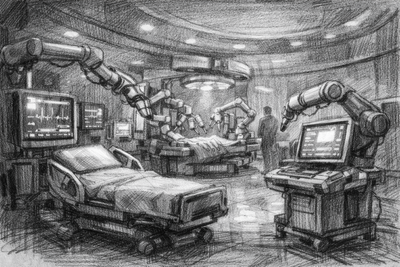
AI and Automation: Transforming the Workforce in 2026
The world of work is experiencing a seismic shift as artificial intelligence (AI) and automation technologies take center stage. By 2026, these transformative forces are not only changing how businesses operate but also redefining what it means to have a career. In this post, we'll explore the evolving landscape, the opportunities and challenges ahead, and practical steps for individuals and organizations to thrive.

The Rise of Intelligent Automation
Over the past decade, automation has advanced from simple repetitive task execution to complex decision-making processes powered by AI. Technologies like machine learning, natural language processing, and robotics are now embedded across sectors—from manufacturing lines to healthcare diagnostics and finance operations.
Key Developments:
- Hyperautomation: Routine tasks are being automated at an unprecedented pace, freeing humans from mundane work and allowing them to focus on strategic initiatives.
- AI-Powered Decision Making: Algorithms increasingly support (and sometimes even make) real-time decisions in logistics, customer service, and more.
- Collaborative Robots (Cobots): These machines work alongside humans, enhancing productivity rather than replacing workers outright.
Impact on Jobs and Skills
While some jobs are evolving or becoming obsolete, new roles are being created just as quickly. The workforce of 2026 is defined by adaptability and a commitment to lifelong learning.
What’s Changing?
- Emergence of New Professions: Data ethicists, AI trainers, automation supervisors, and digital wellness coaches are examples of careers that didn’t exist a few years ago.
- Shifting Skill Demands: Technical abilities like data analysis, programming, and AI literacy are highly sought after. Equally, soft skills—creativity, emotional intelligence, and critical thinking—are gaining importance, as they complement automation and remain uniquely human.
- Reskilling at Scale: Organizations are investing heavily in upskilling programs to keep their workforce competitive and engaged.
Industries Leading the Charge
Some sectors are experiencing transformation more rapidly than others:
- Manufacturing: Smart factories utilize IoT and AI to optimize production, minimize downtime, and increase safety.
- Healthcare: AI aids in diagnostics, patient care, and administrative tasks, improving outcomes and reducing costs.
- Finance: Automated trading, fraud detection, and customer support are making banking faster and more secure.
- Retail and Logistics: From AI-driven inventory management to autonomous delivery vehicles, supply chains are becoming smarter and more efficient.
Navigating Challenges and Embracing Opportunities
With opportunity comes challenge—particularly around workforce displacement, ethical concerns, and digital divides.
Addressing the Concerns
- Job Displacement: While some roles will become redundant, history shows that technological revolutions usually create as many jobs as they eliminate—often in entirely new fields.
- Ethical AI: Transparent algorithms, unbiased data, and clear guidelines are essential to build trust with employees and customers alike.
- Digital Inclusion: Bridging the gap between those with access to digital tools and those without is critical for an equitable future.
Conclusion: Thriving in the Age of AI
AI and automation are irrevocably transforming the workforce, bringing both excitement and uncertainty. The winners in 2026 will be those who embrace change, invest in skills development, and foster environments where humans and intelligent machines can collaborate effectively.
As we look to the future, one thing is clear: adaptability, curiosity, and a willingness to learn will be the most valuable assets in the age of intelligent automation.