The Art of Music Production: Tools and Techniques
Music production has evolved from simple tape recorders to an expansive digital landscape filled with powerful tools and endless possibilities. Whether you’re a budding bedroom producer or a seasoned studio engineer, understanding the tools and techniques behind modern music production is essential for crafting tracks that captivate listeners. In this article, we unravel the artful synergy between technology and creativity that defines today’s music-making process.
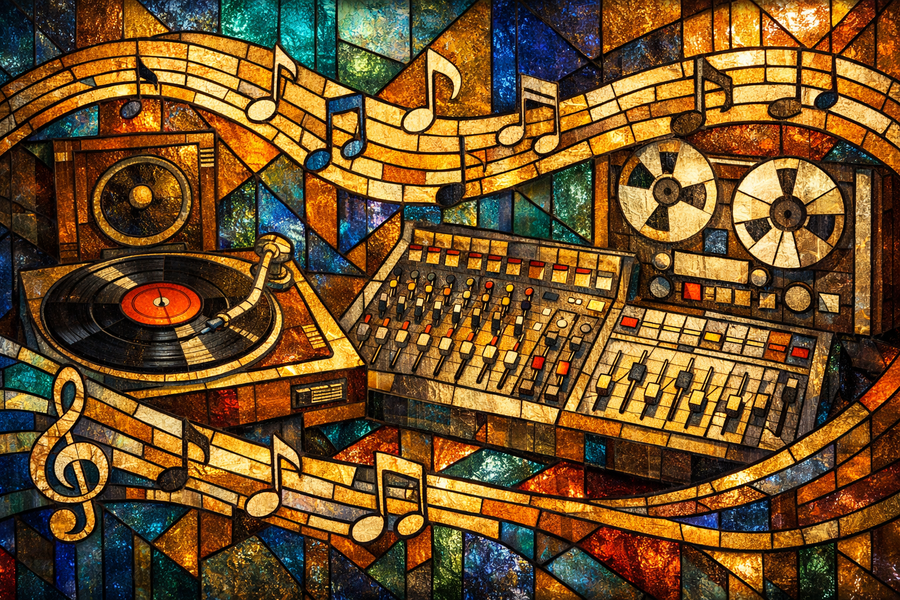
Introduction to Modern Music Production
At its core, music production is about transforming musical ideas into polished, expressive recordings. This process bridges the gap between inspiration and realization, using both technical expertise and artistic flair. But what exactly goes into producing a song that stands out in today’s competitive music scene?
Essential Tools of the Trade
1. Digital Audio Workstations (DAWs)
Modern music production starts with a DAW—software platforms like Ableton Live, FL Studio, Logic Pro, or Pro Tools that serve as the central hub for recording, editing, and arranging music. Each DAW offers unique workflows and features, so finding the right fit for your style is key.
2. Audio Interfaces and Microphones
Capturing pristine sound requires reliable audio interfaces and quality microphones. Whether recording vocals, guitars, or electronic instruments, these devices convert analog signals into digital data, preserving the nuances of every performance.
3. Virtual Instruments and Plugins
From realistic drum kits to lush synthesizers, virtual instruments and plugins expand sonic possibilities without the need for physical gear. Producers layer these sounds, manipulate parameters, and create entirely new textures right inside their DAW.
4. Studio Monitors and Headphones
Accurate monitoring is vital when mixing music. Flat-response studio monitors and high-fidelity headphones reveal every detail—helping producers make precise decisions about balance, EQ, and dynamics.
Core Techniques in Music Production
1. Recording and Layering
The foundation of any track is a great recording. Producers often experiment with microphone placement, double tracking, and layering multiple takes to add depth and richness to their music.
2. Editing and Arrangement
Cutting, moving, and arranging audio and MIDI clips allows for creative flexibility. Strategic arrangement keeps songs engaging, guiding listeners through verses, choruses, and breakdowns.
3. Mixing
Mixing is where individual tracks come together into a cohesive whole. Through EQ, compression, reverb, and panning, producers shape the sonic landscape—ensuring clarity and emotional impact.
4. Mastering
The final polish, mastering prepares a mix for distribution by standardizing loudness, refining EQ, and ensuring playback consistency across all systems.
Creativity Meets Technology
The most exciting part of modern music production is how it empowers anyone with a laptop to realize their musical vision. With affordable gear and free software, the barriers to entry have never been lower. Yet, the best productions blend innovation with a deep understanding of both musicality and technology.
Conclusion
The art of music production lies in balancing technical skill with creative intuition. By mastering the tools and techniques outlined above, you can confidently transform your ideas into fully realized tracks that resonate with audiences. So fire up your DAW, experiment boldly, and embrace the journey—because in music production, the possibilities are truly endless.