AI Ethics: Navigating the Moral Landscape of Artificial Intelligence
Artificial intelligence is transforming the way we live, work, and solve problems. From smart assistants in our homes to predictive algorithms in healthcare, AI's presence is rapidly expanding. But as these technologies become more ingrained in our lives, so does an urgent question: How do we ensure AI is used ethically?
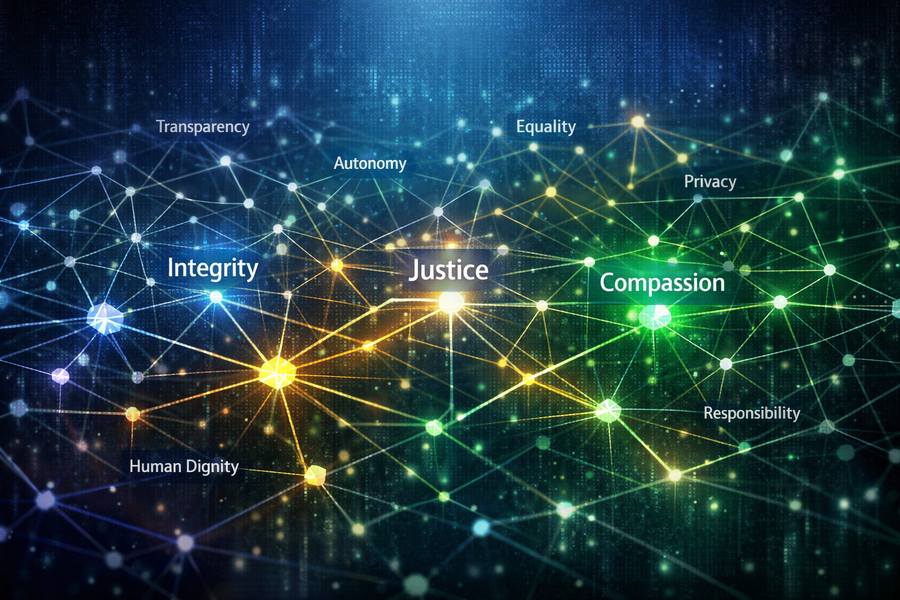
The field of AI ethics seeks to answer this by addressing the moral challenges that arise from automated systems. Let’s dive into the key issues at play and explore how we can pave the way for responsible AI development.
Understanding AI Ethics
At its core, AI ethics involves applying moral principles to the design, development, implementation, and use of artificial intelligence. It’s about ensuring that AI systems are fair, transparent, and aligned with human values.
The Key Issues in AI Ethics
1. Algorithmic Bias and Fairness
One of the most pressing concerns is algorithmic bias. AI systems learn from data, and if that data contains biases—based on gender, race, or socioeconomic status—the AI can perpetuate or even amplify them. For example, facial recognition systems have been shown to perform less accurately on people of color, raising worries about discrimination and unfair outcomes.
Addressing bias means carefully curating training data, regularly auditing algorithms, and involving diverse voices in AI development.
2. Privacy and Data Protection
AI thrives on data. However, collecting and using personal information raises major privacy concerns. How much data is too much? Who owns the data? And how can individuals protect their sensitive information?
Ethical AI demands transparency about data collection practices, robust security measures, and giving users control over their data.
3. Transparency and Explainability
Many AI models—especially deep learning systems—act as "black boxes," making decisions without clear explanations. This lack of transparency can make it difficult to trust AI, particularly in high-stakes areas like healthcare or criminal justice.
Developers must strive for explainability, ensuring AI decisions can be understood and questioned when necessary.
4. Accountability and Responsibility
When AI systems make mistakes or cause harm, who is responsible? The developer, the user, or the organization deploying the AI? Establishing clear lines of accountability is vital for building public trust and ensuring justice if things go wrong.
Legislation and regulation, as well as corporate policies, are beginning to address these questions, but ongoing dialogue is essential.
Building a Responsible AI Future
Solving these ethical dilemmas requires collaboration between technologists, policymakers, ethicists, and the public. Here are some steps we can take:
- Diverse involvement: Involving people from various backgrounds helps ensure AI systems serve everyone fairly.
- Regular audits: Continuous testing for bias and errors can catch problems early.
- Policy and regulation: Governments and organizations need to set clear guidelines for AI development and use.
- Education: Raising awareness about AI ethics empowers users and creators to make responsible choices.
Conclusion
AI holds immense promise, but with great power comes great responsibility. By keeping ethics at the center of AI innovation, we can harness the benefits of artificial intelligence while minimizing harm. Navigating the moral landscape of AI isn’t easy—but it’s a journey we must embark on together to build a fairer, safer future.