
Leveraging AI to Enhance Supply Chain Management
Introduction
In today's rapidly changing business landscape, companies are under constant pressure to streamline operations and increase efficiency. Nowhere is this more crucial than in supply chain management—a domain notorious for its complexity and susceptibility to disruptions. Enter artificial intelligence (AI): a transformative force that's reshaping how organizations predict, plan, and manage their supply chains.
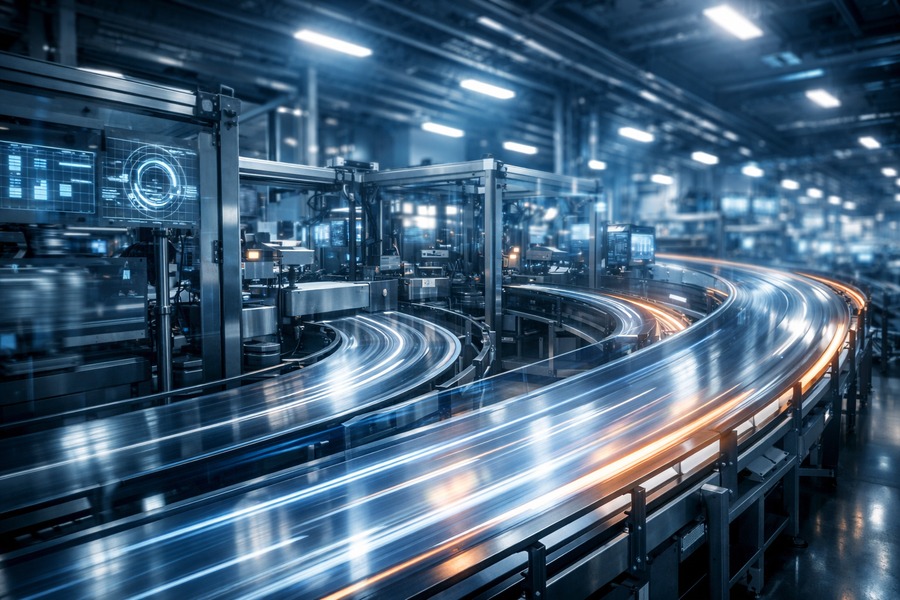
How AI is Revolutionizing Supply Chains
1. Demand Forecasting and Planning
Accurate demand forecasting is the backbone of a robust supply chain. With AI-powered predictive analytics, businesses can analyze vast amounts of data from diverse sources, such as sales history, market trends, and even weather forecasts. These insights enable better inventory planning, minimizing both overstock and stockouts.
2. Inventory Optimization
AI algorithms excel at identifying inefficiencies in inventory levels. By continuously analyzing consumption patterns and supplier performance, AI systems can recommend optimal stock levels, automate reorder points, and reduce carrying costs. This leads to leaner inventories and faster response times to market demands.
3. Enhanced Logistics and Route Optimization
Managing logistics is a balancing act between cost, speed, and reliability. AI-driven route optimization tools assess real-time traffic, delivery constraints, and fuel costs to calculate the most efficient transportation routes. This not only reduces shipping times but also cuts operational expenses and carbon emissions.
4. Supplier Relationship Management
AI can evaluate supplier performance by aggregating data from contracts, deliveries, and quality assessments. Natural language processing (NLP) enables the analysis of correspondence to identify risks or opportunities for improvement. As a result, companies can foster stronger supplier relationships and mitigate potential disruptions before they escalate.
5. Real-time Visibility and Risk Management
The rise of IoT devices and AI-powered analytics offers end-to-end visibility across the supply chain. AI can detect anomalies, flag potential disruptions—such as delays or shortages—and automatically trigger contingency plans. This level of agility is vital for navigating today’s unpredictable global markets.
Challenges and Considerations
While the benefits are clear, integrating AI into supply chain operations isn't without challenges. Data quality, employee training, and system integration require careful planning. A successful AI strategy hinges on collaboration between IT, operations, and leadership teams to ensure seamless adoption and maximum ROI.
Conclusion
Artificial intelligence is redefining the future of supply chain management. From demand forecasting to real-time risk mitigation, AI empowers businesses to operate smarter, faster, and more efficiently. As technology evolves, early adopters will be best positioned to thrive amid increasing competition and complexity. Now is the time to leverage AI and transform your supply chain into a true strategic advantage.