
Exploring the Impact of AI on Healthcare in 2026
Introduction
Artificial Intelligence (AI) has emerged as a transformative force in the world of healthcare. As we look into 2026, AI's integration into medical systems is not just a topic for science fiction—it's a daily reality that's reshaping patient experiences, medical research, and clinical decision-making. But what exactly does this revolution look like, and how is it improving lives?
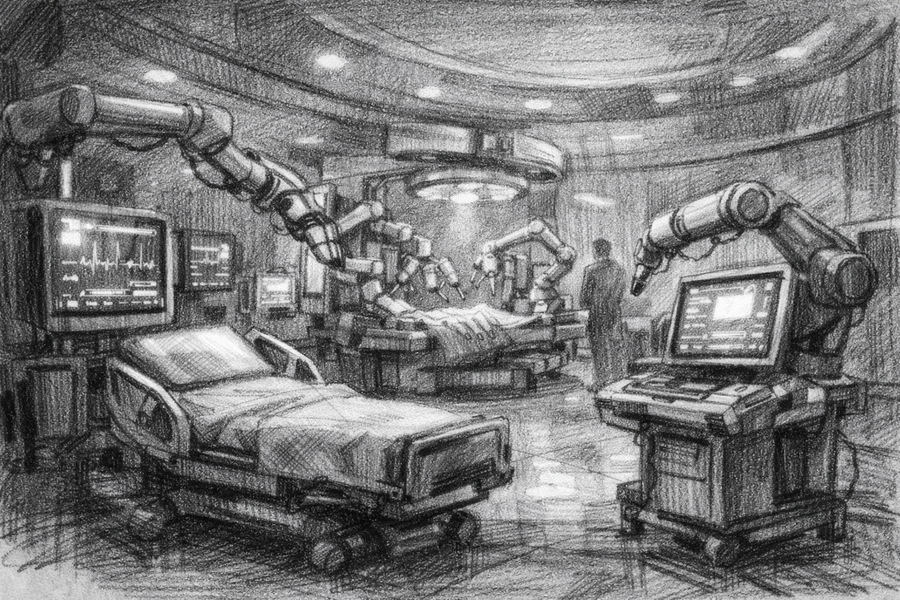
The Rise of AI in Healthcare
AI's journey in healthcare began with basic automation and predictive analytics, but by 2026, its role has expanded dramatically:
- Advanced Diagnostics: Machine learning algorithms now analyze vast amounts of patient data—from medical images to genetic information—delivering faster, more accurate diagnoses than ever before.
- Personalized Treatments: AI helps customize treatment plans, taking individual genetics, lifestyle, and even social factors into account, ensuring better patient outcomes.
- Drug Discovery: AI accelerates the drug development process, identifying promising compounds and predicting their efficacy, which drastically shortens time-to-market for life-saving medicines.
Transforming Patient Care
AI-powered tools are empowering both patients and providers:
- Virtual Health Assistants: Chatbots and voice assistants answer health queries, send appointment reminders, and offer medication guidance, enhancing accessibility and self-care.
- Remote Monitoring: Wearable devices with AI capabilities track vital signs in real time, alerting healthcare professionals to potential issues before they escalate.
- Predictive Analytics for Prevention: AI predicts disease outbreaks, hospital readmissions, or patient deterioration, allowing for proactive interventions that save lives and resources.
Challenges and Ethical Considerations
Despite its promise, AI in healthcare raises important challenges:
- Data Privacy: Handling sensitive health data securely is paramount as AI systems rely on massive datasets.
- Bias and Fairness: Ensuring algorithms work equitably across diverse populations is essential to prevent healthcare disparities.
- Human-AI Collaboration: Rather than replacing clinicians, AI augments their expertise, but clear boundaries and training are necessary for safe collaboration.
Looking Forward: The Future of AI in Medicine
By 2026, AI isn't just a tool—it's a partner in healthcare, continuously learning and evolving. Hospitals and clinics that embrace AI report improved efficiency, reduced costs, and better patient engagement. The next frontier? Widespread adoption of AI-driven precision medicine and global health equity.
Conclusion
AI’s impact on healthcare in 2026 is nothing short of revolutionary. From diagnosis to treatment, its capabilities are improving lives, making medicine more personalized and proactive. While challenges remain, the promise of AI is clear—and as we continue to innovate responsibly, the future of healthcare looks brighter than ever.