
Effective Classroom Management Techniques Every Teacher Should Know
A well-managed classroom is the foundation for successful learning. When students feel secure, respected, and engaged, they're more likely to thrive both academically and socially. But classroom management isn't just about discipline—it's about creating an environment where everyone can excel. Let's explore tried-and-true techniques every teacher should have in their toolkit.
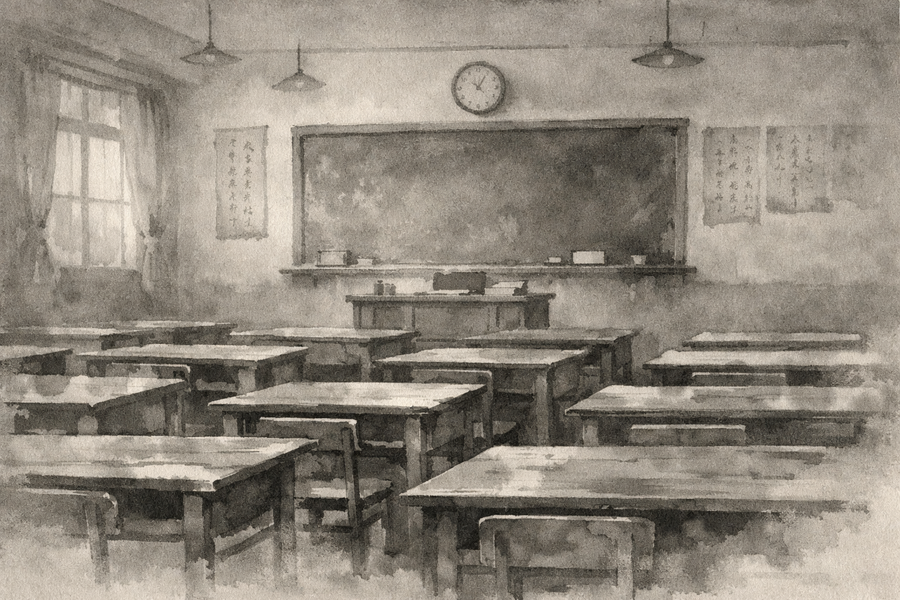
Introduction: Why Classroom Management Matters
From the first bell to the final minute of class, effective classroom management sets the tone for everything that happens in the learning space. It minimizes disruptions, maximizes instructional time, and builds positive teacher-student relationships. Whether you’re a new educator or a seasoned pro looking for fresh ideas, mastering these techniques can transform your teaching experience.
Setting Clear Expectations
One of the most powerful ways to prevent misbehavior is by establishing clear rules and routines from day one. Here’s how:
- Collaborate on Rules: Involve students in creating classroom guidelines. This increases buy-in and makes expectations transparent.
- Consistent Routines: Start each day or lesson with predictable routines so students know what’s expected.
- Visual Reminders: Post rules and schedules prominently as gentle prompts.
Building Positive Relationships
Students are more likely to respect teachers who show they care. Building positive connections pays off with better cooperation and engagement:
- Learn Names Quickly: A simple "good morning, [name]!" fosters belonging.
- Show Interest: Ask about students’ hobbies or weekends. Small gestures build trust.
- Encourage Growth Mindset: Praise effort, not just outcomes, to inspire resilience.
Engaging Instructional Strategies
Boredom often fuels disruptive behavior. Keep students involved and learning on track with these methods:
- Active Participation: Use think-pair-share, group projects, or hands-on activities.
- Vary Activities: Mix lectures, discussions, and creative assignments to cater to different learning styles.
- Clear Instructions: Break tasks into manageable steps and check for understanding.
Proactive Behavior Management
Address potential issues before they escalate:
- Nonverbal Cues: Use eye contact, proximity, or hand signals to redirect off-task students without interrupting the flow.
- Prompt Redirection: Address disruptions quickly, calmly, and privately when possible.
- Logical Consequences: Align consequences with actions for fairness and clarity.
Reflect and Adapt
Great teachers are always learning and improving. Regular reflection helps refine your approach:
- Solicit Feedback: Ask students what works for them.
- Professional Development: Attend workshops or connect with peers for fresh ideas.
- Self-Assessment: Reflect on what went well and what could be improved after each lesson.
Conclusion: Empower Your Teaching Journey
Classroom management is both an art and a science. By setting clear expectations, building strong relationships, using engaging instruction, being proactive, and reflecting on your practice, you can create an environment where everyone thrives. Remember, consistency and compassion go hand in hand. With these techniques, you’ll be equipped to lead your classroom with confidence and care.