Exploring the Psychology Behind Your Favorite Songs
Introduction
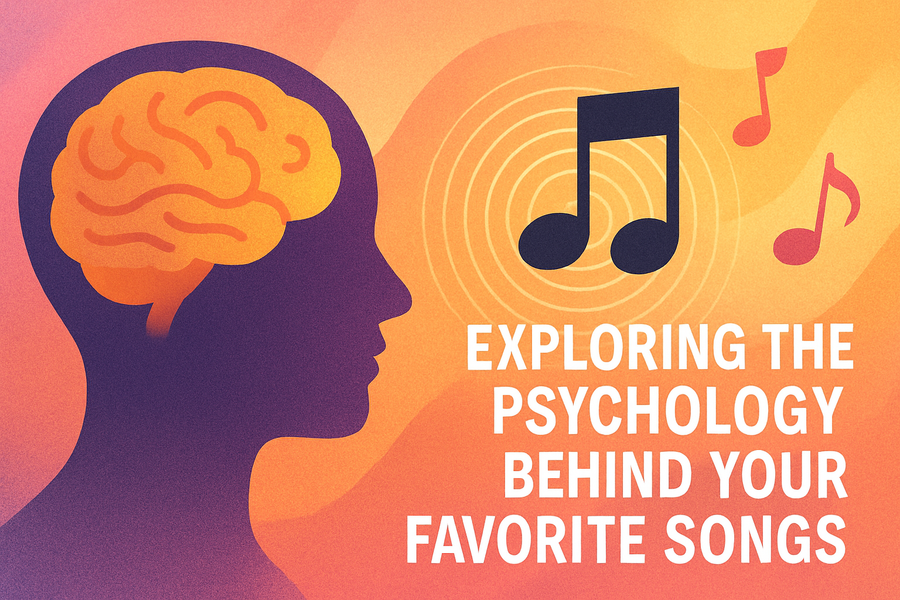
Why do certain songs instantly lift your spirits, bring you to tears, or transport you back in time? Music has a profound psychological impact on us, shaping our moods, memories, and even our identities. This blog post digs into the fascinating science of why we love the songs we do, uncovering how our brains respond to music and what that reveals about our inner worlds.
Music and Emotion: An Instant Connection
One of the most powerful effects of music is its ability to evoke emotion. According to studies in neuroscience, listening to music activates the brain's reward system, releasing dopamine—the same chemical associated with pleasure from food, sex, and other enjoyable activities.
Songs that resonate emotionally tend to feature familiar chord progressions, lyrical themes, and rhythmic patterns. These elements create a sense of predictability mixed with surprise, which our brains find rewarding. Upbeat tunes with major chords can elevate mood, while slower tempos in minor keys often accompany feelings of sadness or introspection.
Memory and Nostalgia
Music is intricately tied to memory. A phenomenon known as the "reminiscence bump" explains why songs from our adolescence and early adulthood often become lifelong favorites. During these formative years, emotions run high, and musical experiences are strongly encoded in our long-term memory.
When we hear a song from the past, it can trigger vivid recollections and emotions, effectively transporting us back in time. This is why nostalgia is such a powerful force in music preference.
Personality and Musical Taste
Research shows that our personalities influence the kinds of music we prefer. For example:
- Openness to experience: People high in this trait often enjoy complex genres like classical or jazz.
- Extraversion: Extroverts tend to favor energetic, rhythmic music such as pop, dance, or hip-hop.
- Agreeableness: Those who score high here may lean toward mellow, harmonious tunes like folk and soft rock.
Understanding your personality traits can offer insight into why certain songs consistently top your playlists.
Lyrics and Identity
Lyrics play a significant role in shaping emotional connections with music. When a song’s message aligns with our beliefs, values, or experiences, it can feel like the artist is telling our story. This phenomenon supports music's role in identity formation—particularly among teenagers and young adults.
We often use music as a way to express who we are, both to ourselves and to others. Whether it's rebellion, love, heartbreak, or empowerment, the messages within our favorite songs reflect our internal narratives.
Cultural Influences and Social Bonding
Our musical landscape is also shaped by cultural background and social environment. Shared musical preferences can strengthen bonds between friends and communities. Concerts, playlists, and even viral TikTok songs become collective experiences that foster a sense of belonging.
Cultural exposure can also broaden our tastes. Someone raised on traditional folk music might discover a love for electronic beats after moving to an urban area or traveling abroad.
Conclusion
Next time you hit “repeat” on your favorite track, consider the complex psychological forces at play. From emotional resonance and personality alignment to memory triggers and cultural influences, your musical preferences reveal more about you than you might think. Music is more than just entertainment—it’s a mirror of the mind and a soundtrack to our lives.
So go ahead, press play—and listen not just with your ears, but with your psyche.