The Evolution of Hip-Hop: From the 90s to 2025
Introduction
Hip-hop is more than music—it's a cultural movement. Originating in the Bronx during the 1970s, hip-hop has grown into a global phenomenon. But no era has shaped and transformed the genre quite like the 1990s, and since then, hip-hop has continued to evolve, reflecting social issues, technological advancements, and cross-genre experimentation. In this post, we’ll journey through the dynamic transformation of hip-hop from the golden era of the '90s to its futuristic sounds in 2025.
The Golden Era: 1990s Hip-Hop
The 1990s are often referred to as the “Golden Age” of hip-hop. This was a time when lyrical complexity, storytelling, and social commentary were at the forefront. Artists like Tupac Shakur, The Notorious B.I.G., Nas, and Wu-Tang Clan elevated the genre with their poetic narratives and unique beats.
Key characteristics of 90s hip-hop included:
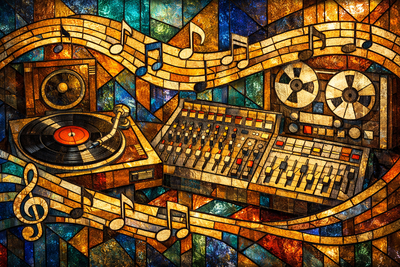
- Boom bap beats powered by MPC samplers and turntables.
- Conscious lyrics that addressed urban struggles, racial inequality, and politics.
- Strong regional identities, with the East Coast, West Coast, and Southern scenes offering distinct sounds and rivalries.
This era laid the foundation for much of what hip-hop would become, blending raw street energy with sophisticated artistry.
The 2000s: Mainstream Breakthrough
As the millennium turned, hip-hop fully entered the mainstream. Artists like Jay-Z, Eminem, Missy Elliott, and OutKast brought the genre into the global spotlight. With record sales climbing and artists becoming household names, hip-hop became not just a genre but a dominant force in pop culture.
Notable trends in the 2000s:
- Commercial success led to large-scale album production and crossover hits.
- Rise of Southern hip-hop, with artists like T.I., Lil Wayne, and UGK gaining prominence.
- Introduction of Auto-Tune and electronic elements by artists like T-Pain and Kanye West.
This decade saw hip-hop diversify, with subgenres and collaborations shaping a more expansive sound.
The 2010s: Digital Revolution and Genre Fusion
The 2010s marked a seismic shift in how hip-hop was created, shared, and consumed. The internet and streaming platforms democratized access, allowing independent artists to gain massive followings without traditional label support.
Major developments included:
- SoundCloud rap and DIY production tools fueling the rise of artists like Lil Uzi Vert, XXXTentacion, and Juice WRLD.
- Genre-blending, with artists incorporating trap, R&B, EDM, and even rock into their music.
- Social media influence, where artists built brands and engaged directly with fans.
Artists like Kendrick Lamar and J. Cole carried the torch for lyrical depth, while Drake blurred genre lines and dominated charts globally.
The 2020s to 2025: Innovation and Globalization
As we near the mid-2020s, hip-hop continues to innovate. Technological integration, cultural exchange, and evolving narratives are shaping its future.
Current and emerging trends include:
- AI-generated beats and lyrics, helping producers experiment with new creative processes.
- Virtual performances and metaverse concerts, especially popularized during the pandemic.
- Global influences, with artists from Africa, Asia, and Latin America infusing local styles into hip-hop.
- Cultural consciousness, as artists use their platforms to address mental health, gender identity, and climate change.
Young, genre-defying artists like Doja Cat, Travis Scott, and Tyler, The Creator are pushing boundaries, creating immersive experiences that go beyond music.
Conclusion
From gritty street anthems of the 90s to AI-assisted productions of 2025, hip-hop has continuously evolved while staying true to its roots. It remains a mirror of society, a voice for the unheard, and a space for innovation. As technology and culture shift, hip-hop stands resilient—adapting, influencing, and thriving across generations and borders.
Whether you're a fan of classic boom bap or hyperpop-infused verses, the journey of hip-hop reflects the ever-changing rhythm of our world.