Natural Language Processing Explained: The AI Behind Chatbots
Introduction
If you’ve ever chatted online with a customer service bot or asked your virtual assistant a question, you’ve interacted with Natural Language Processing (NLP)—the technology that helps computers understand and respond to human language. But how exactly does NLP work, and what makes it the backbone of modern chatbots? In this post, we’ll break down the core concepts behind NLP and explore its role in creating smarter, more helpful AI interactions.
What is Natural Language Processing?
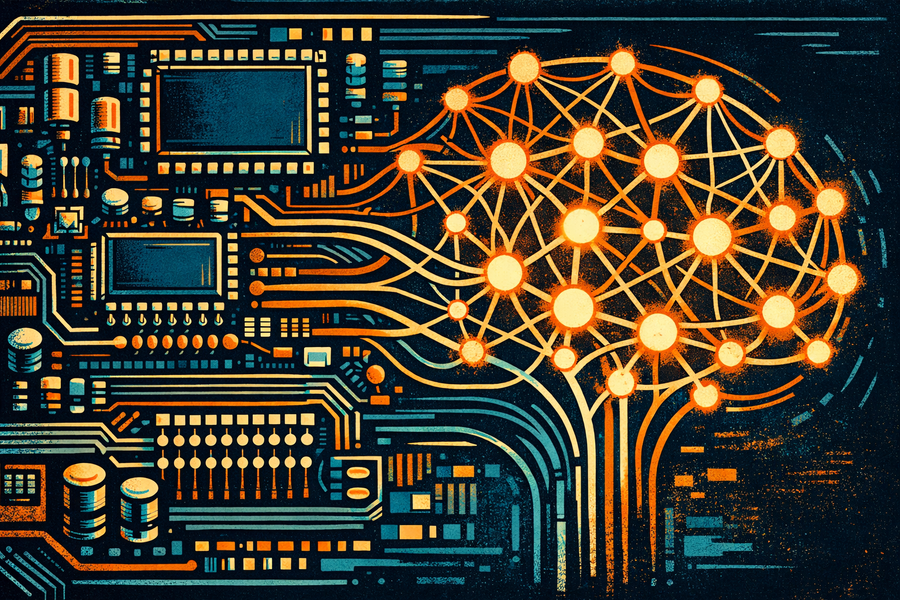
At its simplest, Natural Language Processing is a branch of artificial intelligence focused on enabling computers to understand, interpret, and generate human language. Unlike structured computer code, natural language is full of ambiguities, slang, and context-dependent meanings that make it challenging for machines to comprehend.
NLP bridges this gap by combining linguistics, computer science, and machine learning to allow computers to process language in a way that feels natural to humans.
How NLP Powers Chatbots
Modern chatbots rely on NLP to:
- Understand user input: When you type or speak a message, the chatbot uses NLP algorithms to analyze the words, context, and intent behind your query.
- Extract meaning and intent: NLP techniques identify key information such as names, dates, requests, and emotional tone to figure out exactly what you want.
- Generate responses: Using language models, chatbots craft appropriate replies, ensuring conversations feel fluid and human-like.
Key Components of NLP in Chatbots
- Tokenization
- Breaking sentences into words or phrases (tokens) for easier analysis.
- Part-of-Speech Tagging
- Identifying nouns, verbs, adjectives, and more to understand sentence structure.
- Named Entity Recognition (NER)
- Detecting specific information like locations, times, or product names within text.
- Intent Detection
- Figuring out what action the user wants the chatbot to take (e.g., booking a ticket, answering a question).
- Language Generation
- Creating natural-sounding responses based on user input and conversation history.
Machine Learning and NLP: A Powerful Duo
NLP has advanced rapidly thanks to machine learning, especially deep learning models like transformers (the technology behind OpenAI’s GPT). These models learn from vast amounts of text data, enabling them to:
- Recognize patterns in language
- Understand context and nuance
- Improve their responses over time through continual learning
Real-World Applications Beyond Chatbots
While chatbots are among the most visible uses of NLP, the technology also powers:
- Voice assistants (like Siri and Alexa)
- Email spam filters
- Sentiment analysis tools that gauge public opinion
- Translation services
- Text summarization and search engines
Conclusion
Natural Language Processing is the invisible force that makes AI-powered conversations possible. By teaching computers to understand and use language, NLP allows us to interact with technology in more intuitive, efficient, and engaging ways. As this field continues to evolve, expect chatbots—and many other everyday applications—to become even more conversationally savvy.
Ready to dive deeper into AI? Keep exploring our "AI Explained" series for more insights!